The 5 Best Tools for Exploring Snow in the Backcountry!
Any outing into the backcountry is always a bit of a mystery, especially when it comes to snow cover. While a shovel and avalanche probe manage primary tasks, obtaining a comprehensive understanding of snowpack stability requires expanding the snow assessment toolkit. The following five tools facilitate detailed stratigraphy analysis and support data-driven decision-making on slopes. Operational effectiveness remains strictly dependent on practical competency; continuous education, field mentoring, and certified avalanche safety training are mandatory prerequisites.
1. Slope Meter
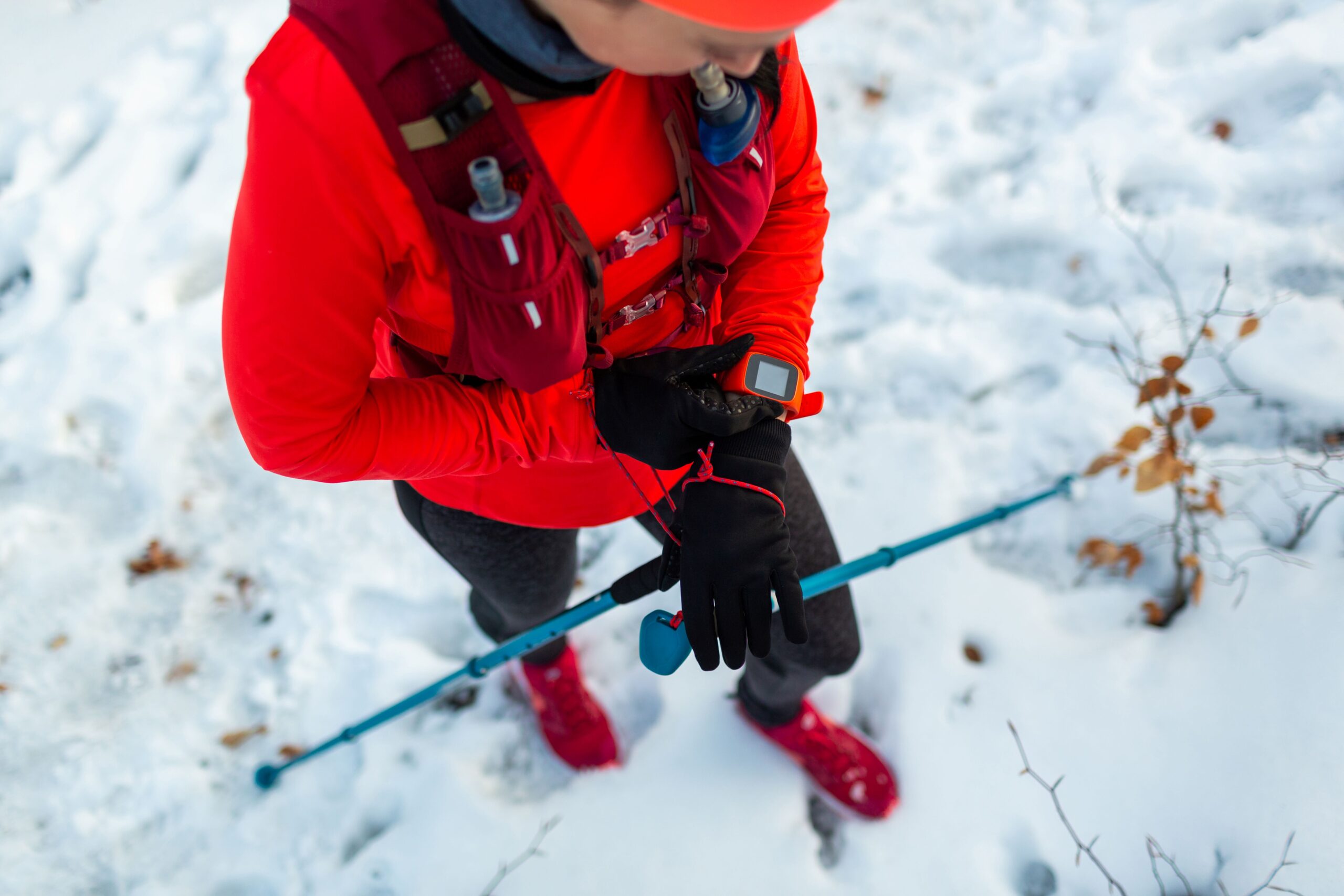
Determining the slope angle is key to assessing avalanche danger. The compact slope meter easily attaches to a ski pole or probe, enabling rapid assessment of terrain angle.
The time-tested BCA Slope Meter is lightweight, handy, and readable at a glance. The free Backcountry Access application for smartphones offers an alternative method for measuring slope angle to measure slope angle, show elevation, coordinates, and even compass direction.
2- ECT Test Cord
Connecting two avalanche probes with a 10-foot knotted accessory cord provides the necessary setup to isolate a snow column for an extended column test (ECT). Such a cord weighs almost nothing, costs a penny, and at the same time can come in handy as an element of a rescue sled. Minimum weight, maximum usefulness!
3. Crystal Map and Magnifying Glass
Detailed observation of snowflake structure requires specialized field tools. A dark crystal card creates contrast for clear visibility, while the integrated grid allows precise crystal measurement. Pairing this card with a 10x magnification loupe reveals intricate snow geometry.
Tip: Keep the card in the snow to keep it cold. That way, the crystals won’t melt before their time!
4. Snow Saw
Yes, it is often left at home to save weight. And for nothing! A snow saw quickly cuts through dense slabs, facilitating the isolation of clean snow blocks for stability testing.
Plus, it comes in handy for building a shelter or cutting firewood in an emergency.
5. Thermometer
Temperature plays a crucial role in the formation of weak layers. An analog thermometer, such as a BCA, will provide reliable measurements without any batteries.
A standard digital kitchen thermometer serves as an effective substitute for dedicated snow thermometers when professional equipment is unavailable.
Total Control Over the Snow Situation
These five tools will turn snow research into an informed process. Maximizing information gathering ensures sound judgment and total operational stability during the trek. Put kit together, and practice using it, and winter adventures will not only be brighter but safer.